The short answer
Laser hair removal is generally considered safe when performed by a qualified, properly trained practitioner using a suitable device, with side effects that are usually mild and temporary. Risks rise with untrained operators, unsuitable devices, tanned skin and certain medical conditions. UK oversight varies by nation. A consultation, a patch test, eye protection and an honest medical history are the foundations of safe treatment, and suitability should always be confirmed with a regulated practitioner.
Laser hair removal has been used widely for many years and, in competent hands, is regarded as a safe cosmetic procedure with mostly mild, temporary side effects. But ‘safe’ depends heavily on who performs it, on what device, and on whether you are a suitable candidate. This page explains what makes treatment safe, how UK regulation works, who should be cautious, and the practical checks that protect you.
Safety at a glance
- Overall Generally safe in trained, regulated hands
- Common side effects Mild, temporary redness and swelling
- Key protections Patch test, eye goggles, correct device
- Higher risk Untrained operator, tanned skin
- Eye safety Goggles essential every session
- Regulation Varies across the four UK nations
What makes laser hair removal safe?
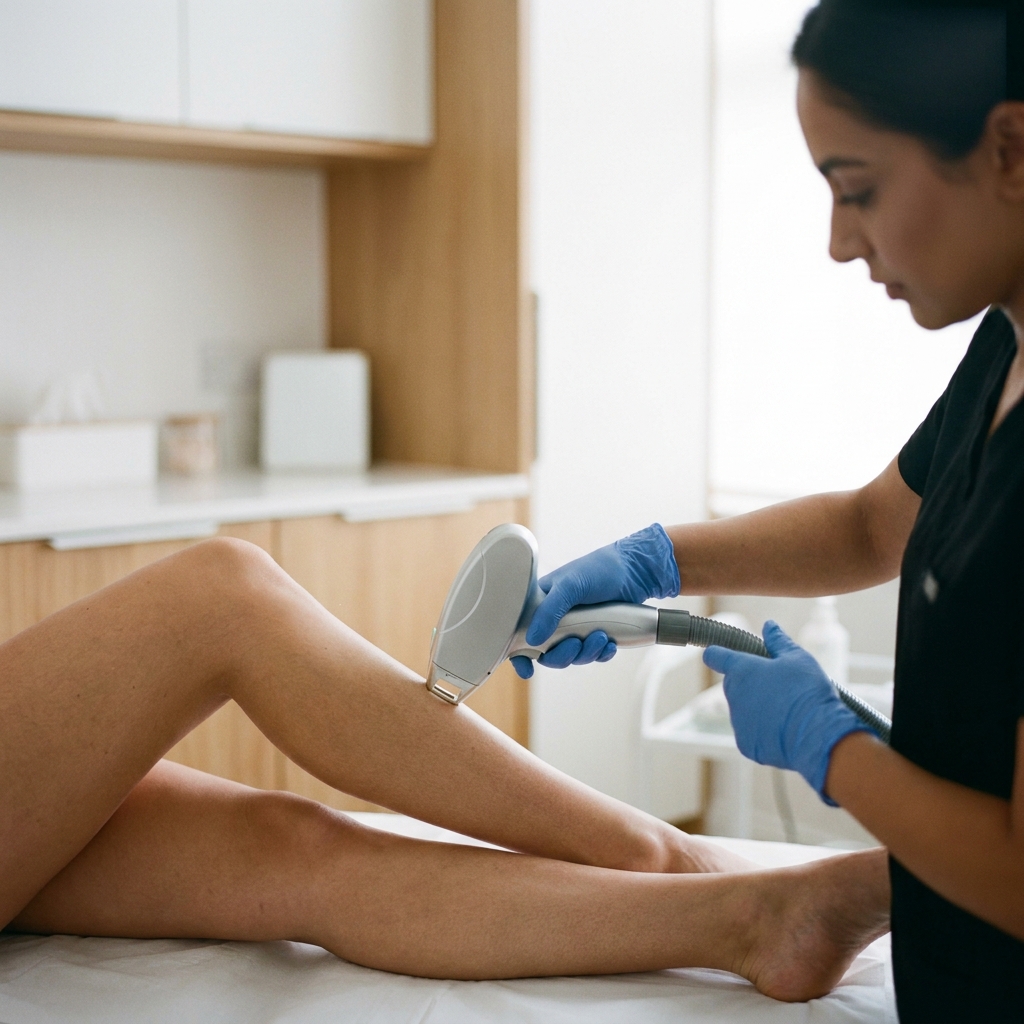
Laser hair removal has been used widely for many years and, in competent hands, is regarded as a safe cosmetic procedure with mostly mild, temporary side effects. Safety comes from doing the basics properly rather than from any single feature of the machine:
- A qualified, trained practitioner who can match the device and settings to your skin tone and hair type and read the skin’s response.
- A suitable device for your skin tone — for example an Nd:YAG laser for darker skin.
- A consultation and patch test to check how your skin responds and to rule out contraindications.
- Protective goggles for both you and the operator, at every session, to protect the eyes from the laser light.
- Skin cooling during treatment and correct aftercare to reduce reactions.
Done this way, the common side effects are mild and temporary, and serious complications such as burns are uncommon. The word “safe”, though, depends heavily on who performs the treatment, on what device they use, and on whether you are a suitable candidate — which is why the points below matter as much as the technology itself. No reputable clinic will treat you without first taking a history and explaining the risks honestly.
How is it regulated in the UK?
Regulation varies across the four UK nations, which is exactly why checking your provider matters:
| Nation | Oversight |
|---|---|
| England | Largely unregulated nationally; some local authorities licence “special treatments”; CQC where doctor-led/medical |
| Scotland | Independent clinics regulated by Healthcare Improvement Scotland (HIS) |
| Wales | Healthcare Inspectorate Wales (HIW) |
| Northern Ireland | RQIA |
Voluntary registers such as the JCCP, and membership of bodies like the British Medical Laser Association, also help you find practitioners who meet recognised standards. See UK regulation for the full picture and is my technician qualified? for what to check.
Who should be cautious?
Most adults can be treated safely, but some people should take extra care or wait:
- People with tanned skin or who use sunbeds or fake tan — see sun exposure.
- People taking medicines that increase light sensitivity, or with certain skin conditions.
- People who are pregnant, where treatment is usually postponed as a precaution.
- Anyone with a history of keloid scarring or recurrent cold sores, particularly for facial treatment.
What about home laser and IPL devices?
Home-use laser and IPL hair-removal devices are sold for personal use and are generally designed to operate at lower energy levels than professional clinic machines. Used strictly according to the manufacturer’s instructions — including any guidance on suitable skin tones and the areas they should not be used on, such as around the eyes — they can be convenient. However, they still carry a risk of skin reactions if misused, and they are not a substitute for a professional assessment if you have any doubt about your suitability. Always read and follow the instructions, do any patch test the device recommends, and stop if your skin reacts badly. Our clinic versus home comparison looks at the trade-offs in more detail.
The bottom line
Laser hair removal is generally safe when carried out by a qualified, regulated practitioner who assesses your suitability, uses the right device for your skin and follows proper safety steps. The most important thing you can do is choose your provider carefully and be honest about your skin and health. This page is general information, not medical advice; suitability and any health or skin concern must be assessed by a qualified practitioner, the NHS or your GP, and results and reactions vary from one person to the next.
Frequently asked questions
Is laser hair removal safe for all skin tones?
It can be, but the device must match the skin tone. Modern Nd:YAG lasers treat darker skin more safely, while unsuitable devices raise the risk of burns and pigment changes. A skin-type assessment is essential.
Is laser hair removal regulated in the UK?
It depends on the nation. Scotland, Wales and Northern Ireland regulate independent clinics through HIS, HIW and RQIA; in England it is largely unregulated nationally, though some local authorities licence it and the CQC covers doctor-led care.
Can laser hair removal damage your eyes?
Laser light can harm the eyes, which is why protective goggles are worn by both client and operator at every session. Never allow treatment near the eyes without proper eye protection.
How do I make laser hair removal as safe as possible?
Choose a qualified, regulated practitioner, have a consultation and patch test, disclose your full medical history, avoid sun and fake tan, and follow aftercare. These steps minimise the risks.
Sources & further reading
- NHS — Laser hair removal: is it safe and what to consider
- MHRA — Regulation of lasers and IPL devices
- Healthcare Improvement Scotland (HIS) — independent clinic regulation
- JCCP — Register of cosmetic practitioners and safety standards
This guide is general information, not medical advice. A patch test and consultation with a qualified, regulated practitioner are essential before treatment, and results vary by individual. Laser achieves long-term hair reduction, not guaranteed permanent removal of every hair. Discuss any skin or health concerns with the practitioner or your GP.