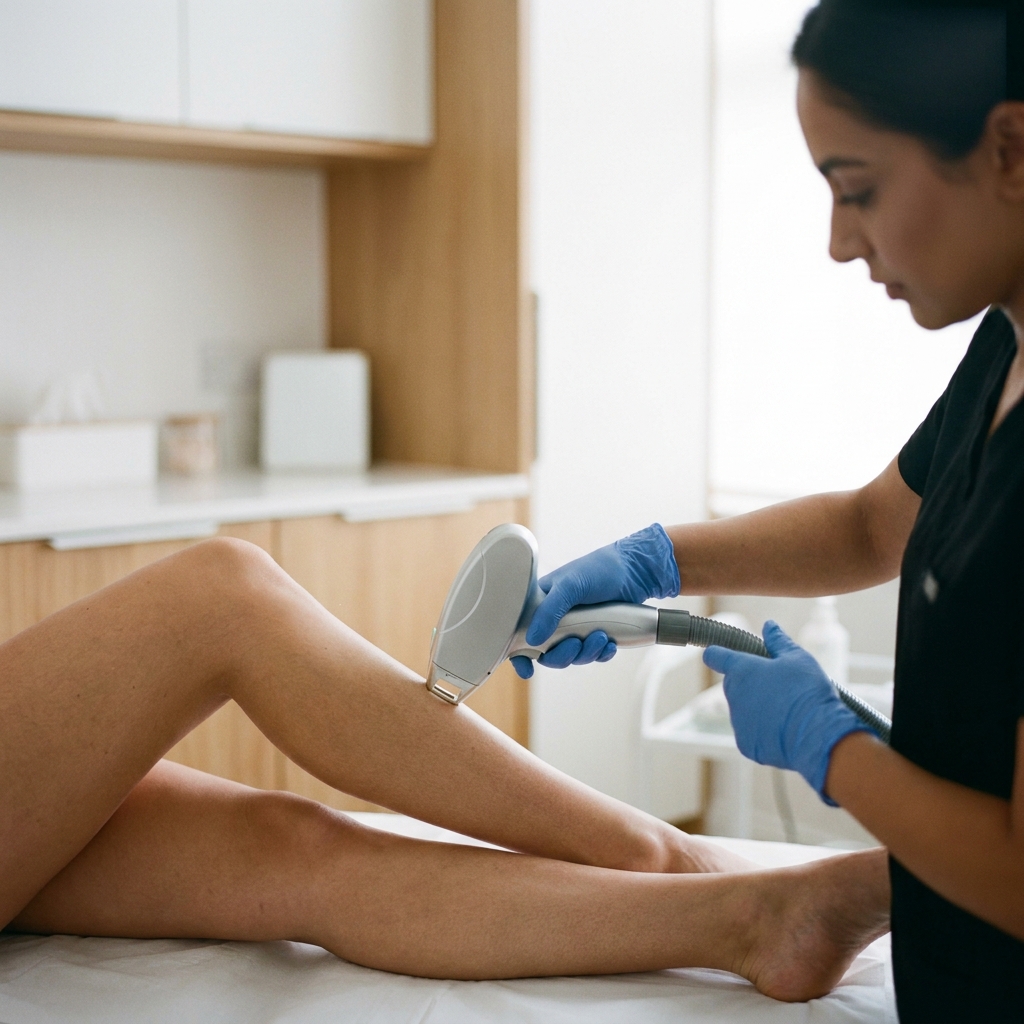
The short answer
Good aftercare is mostly about being gentle: cool the skin, keep it clean and moisturised, avoid heat and friction for a day or two, and protect it from the sun with SPF. Skip saunas, hot baths, swimming, exfoliation and perfumed products until any redness settles, and do not pick at shedding hairs or scabs. Always follow the specific instructions your practitioner gives you, as they will be tailored to your skin and the area treated.
What you do in the hours and days after a session affects both your comfort and your result. The skin has just been heated, so it is briefly more sensitive and more vulnerable to the sun. Sensible aftercare reduces side effects, lowers the risk of pigment changes and keeps the area healthy between treatments. Below is a practical checklist, but your practitioner’s own instructions always take priority because they are matched to your skin and the area treated.
Aftercare at a glance
- First 24–48 hours Cool the skin, avoid heat and sweat
- Sun protection Daily SPF on exposed areas
- Avoid Saunas, hot baths, swimming pools
- Skip Exfoliation, perfumed products, picking
- Shedding hairs Normal — let them fall out
- Next session Usually 4–8 weeks later
The first 24 to 48 hours
Immediately after a session the skin may look pink and feel warm, much like mild sunburn, and you may see small raised bumps around the follicles. This is normal and usually settles within hours to a day or two. The aim in the first day or two is simply to keep the skin calm and protected:
- Cool the area with a clean, cool compress or a cold pack wrapped in a cloth, for short periods as needed.
- Keep it clean and dry, and wear loose clothing over treated areas to avoid rubbing and friction.
- Moisturise gently with a plain, fragrance-free moisturiser if your practitioner recommends it.
- Avoid heat and sweat — no hot baths, saunas, steam rooms or intense exercise for a day or two, as heat can aggravate freshly treated skin.
- Be gentle when washing — use lukewarm water, pat the area dry and avoid scrubbing.
For a fuller picture of how the skin recovers over the following weeks, including the shedding phase, see our healing timeline.
Protect the skin from the sun
Freshly treated skin is temporarily more prone to pigment changes if it is exposed to ultraviolet light, so sun protection is one of the most important aftercare steps of all. Apply a high-factor, broad-spectrum SPF to any treated area that will see daylight, and avoid sunbathing, sunbeds and fake tan while the skin settles. This matters before sessions too, not just afterwards — see sun exposure and laser hair removal for why a tan increases the risk of burns and uneven skin colour.
| Do | Avoid |
|---|---|
| Cool compresses | Hot baths, saunas, steam |
| Fragrance-free moisturiser | Perfumed lotions, deodorant on raw skin |
| Daily SPF | Sun, sunbeds, fake tan |
| Loose clothing | Tight, rubbing fabrics |
| Letting hairs shed | Picking, scrubbing, plucking, waxing |
Hair removal between sessions
Between appointments you may shave if you need to remove regrowth, because shaving leaves the root in place. However, you should not wax, pluck or use epilators, as these remove the hair root that the next laser session needs to target — doing so can make a course less effective. Avoid exfoliating scrubs and chemical exfoliants on the treated area until it has fully settled. Treatments are usually spaced four to eight weeks apart so the skin recovers and new follicles enter their active growth phase, which is when the laser can affect them — see session spacing for the reasoning.
Looking after the skin between sessions
Aftercare is not only about the first day or two. In the weeks between appointments, keeping the skin in good condition helps it tolerate the next session and supports an even result. Moisturise regularly with a plain, fragrance-free product, keep using daily SPF on exposed areas, and continue to avoid sunbeds and fake tan. If you exfoliate as part of your usual routine, reintroduce it gently and only once the area has fully settled, and stop again a few days before your next session. Staying consistent with these simple habits across the whole course of sessions reduces the chance of pigment changes and keeps the skin comfortable.
When to seek advice
Mild redness and swelling are normal and not a cause for concern. However, contact your practitioner or a GP if you notice blistering, an open or weeping area, spreading redness, signs of infection, or skin colour changes that are not settling over time. Report any reaction promptly so it can be assessed and your next session adjusted if needed. This page is general information, not medical advice — reactions vary by individual, so always follow your practitioner’s tailored instructions, and have a consultation and patch test before treatment.
Frequently asked questions
Can I shower after laser hair removal?
Yes, but keep the water cool to lukewarm rather than hot, be gentle, and avoid scrubbing the treated area. Pat dry rather than rubbing.
When can I exercise again?
Avoid intense exercise and heavy sweating for around 24 to 48 hours, as heat and friction can aggravate freshly treated skin. Follow your practitioner’s advice for your area.
Can I wear make-up or deodorant afterwards?
On facial or underarm treatments, it is usually best to wait until any redness settles and to avoid perfumed products on the area for a day or two. Ask your practitioner about your specific area.
Why are the hairs still there after my session?
Treated hairs often stay in place for one to two weeks before shedding as the skin renews. This is normal — let them fall out on their own and do not pluck them.
Sources & further reading
- NHS — Laser hair removal aftercare and what to consider
- NHS — Sunscreen and sun safety
- MHRA — Cosmetic laser and IPL device guidance
- JCCP — Aftercare and patient information standards
This guide is general information, not medical advice. A patch test and consultation with a qualified, regulated practitioner are essential before treatment, and results vary by individual. Laser achieves long-term hair reduction, not guaranteed permanent removal of every hair. Discuss any skin or health concerns with the practitioner or your GP.